陽光甜味咖啡館 Sun Sweet Cafe

We meet right here every Tuesday, Friday and Saturday evening.

Dare to dream!

勇敢夢!

LOVE YOURSELF!

愛自己!

顯示具有 熱情 標籤的文章。 顯示所有文章

周二(8/6) 1.利他主義2.新聞影響情緒

請注意!周二(8/6) 原聚會點  改至丹提咖啡 寶慶店 
台北市延平南路107
(西門捷運站3出口 往前走30公尺 向左看到全家便利商店巷進入 / 在中山堂對面)
連絡電話: 0976217450   Billy
感謝各位好朋友熱情出席相挺    也希望您多引薦好友加入 
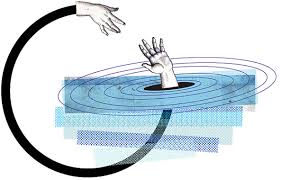
 

利他主義
Altruism
It's a story that's deeply unsettled millions in China: footage of a two-year-old girl hit by a van and left bleeding in the street by passersby, footage too graphic to be shown. The entire accident is caught on camera. The driver pauses after hitting the child, his back wheels seen resting on her for over a second. Within two minutes, three people pass two-year-old Wang Yue by. The first walks around the badly injured toddler completely. Others look at her before moving off.

Peter Singer: There were other people who walked past Wang Yue, and a second van ran over her legs before a street cleaner raised the alarm. She was rushed to hospital, but it was too late. She died.

I wonder how many of you, looking at that, said to yourselves just now, "I would not have done that. I would have stopped to help." Raise your hands if that thought occurred to you.

As I thought, that's most of you. And I believe you. I'm sure you're right. But before you give yourself too much credit, look at this. UNICEF reports that in 2011, 6.9 million children under five died from preventable, poverty-related diseases. UNICEF thinks that that's good news because the figure has been steadily coming down from 12 million in 1990. That is good. But still, 6.9 million is 19,000 children dying every day. Does it really matter that we're not walking past them in the street? Does it really matter that they're far away? I don't think it does make a morally relevant difference. The fact that they're not right in front of us, the fact, of course, that they're of a different nationality or race, none of that seems morally relevant to me. What is really important is, can we reduce that death toll? Can we save some of those 19,000 children dying every day?

And the answer is, yes we can. Each of us spends money on things that we do not really need. You can think what your own habit is, whether it's a new car, a vacation or just something like buying bottled water when the water that comes out of the tap is perfectly safe to drink. You could take the money you're spending on those unnecessary things and give it to this organization, the Against Malaria Foundation, which would take the money you had given and use it to buy nets like this one to protect children like this one, and we know reliably that if we provide nets, they're used, and they reduce the number of children dying from malaria, just one of the many preventable diseases that are responsible for some of those 19,000 children dying every day.
 
Questions:

1. What would you do if you see this poor girl victim?

2. What should you do if you witness a car crash?

What to do if you see someone injured in a car accident?
How to help accident victims?
3. What can you do to help someone who is going to die?
4. Are you willing to help a complete stranger?
How to help others?
5. How to stop being selfish and start being altruistic?
Why people become estranged?
6. Any experience of saving people?
7. Are you willing donate 10% of your income to charities?

新聞影響情緒
Cheer up, here’s the good news (By Annie Makoff )

This morning when I woke up, the sun was shining and I felt good – optimistic, energetic and eager to see what the day would bring. Over breakfast, I turned the radio on. Yet another ageing celebrity had been arrested for sexual offences. There was more bad news on the economy. I picked up a newspaper later. A 15-year-old boy had been stabbed to death. Homelessness is on the rise. Global warming; NHS cuts; another food scandal – by the time I started work, I felt defeated, exhausted and depressed.
I don’t want to stick my head in the sand, but isn’t it tempting to just turn off?
Absolutely, says clinical psychologist Dr Cecilia d’Felice. She believes that going on a ‘bad news diet’ – restricting the amount of news you expose yourself to – can protect your mood, and also enable you to look at the bigger picture in a clearer, more emotionally balanced way.  ‘We are so influenced by the media and its portrayal of global events that it influences how we take personal bad news,’ she explains.‘Being saturated with bad news on an almost hourly basis can make our own world feel out of control. It can make us reactive rather than reflective.’
The problem, says social psychologist Dr Sandra Wheatley, is that our brains are wired to zoom in on bad news, and to give it undue precedence. ‘At an evolutionary level, bad news shows us what we need to react and attend to so we can protect ourselves. That’s why people are more comfortable considering the negative rather than the positive. Even statistics, when they are reported, tend to focus on the negative.’

Questions:
1. What are factors that influence your mood?

   Does news influence your mood?

How news affects your mood?

2. How a bad mood affects your working performance?

3. How to stop the small things from affecting your mood?

4. What do you do when your in a bad mood?

How do you cheer yourself up from a bad mood?

5. Do you think that the current media is full of negative news

6. Do you think we are deeply influenced by media?

What are the negative and positive aspects of media?

周二(7/30) 1. 我愛八卦2.星座歧視3.狂犬病

請注意!周二(7/30) 原聚會點  改至丹提咖啡 寶慶店 
台北市延平南路107
(西門捷運站3出口 往前走10公尺 向右看 就可看到 / 在中山堂對面)
連絡電話: 0976217450   Billy
各位好朋友   感謝熱情出席相挺    希望各位好友  本周二 出席支持 新據點聚會 您的出席 攸關本會生存 大家相互幫忙
也希望您多引薦好友加入  謝謝(兩處確定聚會點資訊在文章後)


我愛八卦
Why we love to gossip (psychologies.co.uk)

Helena got a pay rise. I’m not surprised, the way she flirts with the boss,’ grumbles a colleague who’d like to be promoted herself. ‘That skinny minnie? I’m sure she’s anorexic,’ replies her friend. Ah, the comfort of gossip. A few spiteful words shared in confidence can give us such a boost. With friends, colleagues or family, saying bad things about other people feels good.

Gossip builds social bonds because shared dislikes create stronger bonds than shared positives. Two people who don’t know each other will feel closer if they share something mean about a third person than if they say nice things about them. It’s a way of demonstrating their shared values and sense of humour. Add to that the thrill of transgression, since we’re supposed to be nice and positive.

Gossip does have a positive function in establishing the values of a group. It shows the boundaries, using shame to persuade new arrivals to follow the rules if they want to fit in. The anthropologist Robin Dunbar has suggested that gossip is a vital evolutionary factor in the development of our brains; language came about because of the need to spread gossip, and not the other way round.

Listening to gossip told me a lot about my new workplace,’ says Melanie, 38. ‘For example, it’s considered remiss not to phone your children several times a day, whereas in my old job, personal calls were banned.’ Gossip also aids social climbing. We talk about our rivals’ failings and disasters and we enjoy taking pleasure in the misfortune of others. It’s hard to hide a smile when we learn that the sister-in-law we can’t stand is having a tough time – even if it’s with a twinge of shame.

However, there are other aspects to gossiping. ‘We gossip to share our worries, seeking reassurance and support,’ says psychiatrist Frédéric Fanget. ‘It’s an indirect way of speaking well of yourself, and your listeners. It’s also fun to arouse others’ curiosity and monopolise the conversation, when you have information to reveal. A woman who says in her partner’s ear, “Have you seen the length of my sister’s skirt? It’s outrageous!” may be trying to reassure herself that she’s as sexy as her sister. This is what leads us to target anyone who makes us feel uneasy about our weaknesses. Gossiping about them provides a sense of reassurance.’

Gossip can be a risky activity: it can quickly lead to awkwardness, and distrust. It leaves the victim unable to defend themselves, and can leave a trail of suspicion. ‘Once a person’s reputation is tarnished, it’s very difficult to reverse that,’ says Bègue. Interestingly, research has shown that we judge negative information to be more revealing than positive facts, and retain it better.
Questions:

1. Why people love to gossip?

What motivates people to gossip?

2. Is gossiping good for our health?

3. What are the pros and cons of gossip?

 Is good or bad for spreading global gossip on internet?

4. Do you like celebrity gossip? Why do some people like celebrity gossip?

Do celebrities have a positive or negative effect on society?

5. Does gossip really hurt people?

How does gossip hurt others?

6. How to start a conversation when you have nothing to talk about?
 
星座歧視
Chinese job seekers fall victim to 'Zodiac discrimination'  
(Amy Li)

If you are a recent college graduate in China and happen to be a “Virgo”, your chances of getting a job may be much less than your “Gemini” or “Pisces” competitors, according to the Liaoning-based Bandao Morning News.

Xu Jingmin, a  college graduate and recent victim of such “zodiac discrimination", said she was disheartened after finding out she matched all the qualifications of a job opening at a travel agency except its requirement for the applicant’s zodiac sign.

We are looking for Geminis, Libras, and Aquarius,” the ad allegedly said. This means Xu, who is a “Leo,” was disqualified.

Stereotypes are also held against "Virgo" and "Libra" job seekers, who employers believe would be “picky” and jump ship sooner than their peers from other Zodiac signs, according to the report.

Terrence Wong, a Hong Kong public relations executive, said employers in Hong Kong - especially those who respect Fung Shui - often secretly refer to applicants’ Chinese zodiacs to decide whether they will get along with them in future.  “But in Hong Kong employers seldom care about employees’ Western zodiac signs,” Wong said.

Wu Tao, a Chengdu-based lawyer, said with the absence of national laws on  non-discrimination and equality at work, it's impossible for applicants to sue potential employers who might have treated them unfairly.

Western astrology is becoming increasingly popular in China in recent years. Websites and newspapers run their own astrology channel, publishing weekly predictions and advice . The trend has also spawned some western astrology experts.  “Naonao Witch,” a popular  zodiacs blogger, now posts daily to hundreds of thousands of loyal followers on Weibo, offering advice on astrology.

Questions:

1. What do you think that Chinese company rejects applicants based on astrological sign?

2. In your opinion, are star signs real?

Are star signs related to personality, career and money?

3. Are Virgo people as picky as you would think?

4. Which star sign is the most ambitious?

5. What are the best careers for your zodiac sign?

6. Zodiac signs stereotypes; do you agree?

Have you ever stereotyped someone based on their zodiac sign,and star signs?
狂犬病
 Extra Topic:
Dozens of dead ferret-badger sightings heat up rabies fears
Q: Your opinions about rabies fears?

朋友們: 周二來談一下狂犬病 狂犬病不可怕 -----Billy 要是被狗咬了! 趕快 寫一下名單 考慮下一個要咬的對象 跟吸血鬼一樣 大家都一樣 就沒有甚麼好怕的----您要咬的對象是?----?

目前確定聚會地點:
周五  /  周六------- 地點: 快提café 
新北市板橋區文化路一段387巷10號
(沿著新埔捷運站1號出口左方向前走約100公尺 經過新埔郵局 看到康是美 從信義房屋旁的巷子進入)
周二 ---------- 地點: 丹提咖啡 寶慶店  台北市延平南路107號
 (西門捷運站3號出口 往前走10公尺 向右看 就可看到 / 在中山堂對面)

 星座歧視

找頭路求生學 雇主最不愛處女座? (TTV)

你有遇過因為星座,不合老闆意,而沒入選嗎?大陸最近流行占星,想不到這也成了雇主面試時的關鍵問題!有求職者找工作被刷掉的原因竟然是「星座項目不符」!其中,最不受喜歡的員工是處女座,而水瓶、天秤座則最吃香。

A型、B型、O型, 射手座、巨蟹座, 辦公室裡每個人通通不一樣, 你覺得哪個星座最難相處 不過這些都不是老闆最討厭的, 陸媒報導,大陸雇主最喜歡創意點子多的天秤座和水瓶座員工,最不喜歡處女座, 甚至還有人因為星座項目不符,不錄用。

處女座怎麼會職場歧視的受害者,星座專家認為這是刻板的星座印象。

專家說,出生日的太陽星座,只能看出一小部分的人格特質。

參考太陽星座決定用不用員工,真的不夠客觀, 看看像是連戰、蔡英文,還有藝人蔡依林、張曼玉,就連大陸的總理溫家寶都是處女寶寶, 大陸雇主面試用星座篩選, 恐怕會錯過很多人才。

活動照片集錦
您在哪裡呢?

Gathering photo (part1)-the 16th of JulyGathering photo(Part1)-July 19th

Gathering photo (part2)-the 16th of JulyGathering photo(Part2)-July 19th

Gathering photo (part3)-the 16th of July

相片

相片:Funny night~~ 
Heard a lot of interesting things from others especially Hans. ^^Soapbox English Club gathering photo 20130705 (Fri.)Soapbox English Club gathering photo 20130705 (Fri.)


周五(7/26) 1.衝突 2. 幸運符 3.軍中冤魂

感謝各位會員朋友   熱情出席相挺    希望各位好友們   繼續支持 
也希望您多引薦好友加入  謝謝
目前確定聚會地點:
周五  /  周六------- 地點: 快提café 
新北市板橋區文化路一段387巷10號
(沿著新埔捷運站1號出口左方向前走約100公尺 經過新埔郵局 看到康是美 從信義房屋旁的巷子進入)
周二 ---------- 地點: 丹提咖啡 寶慶店  台北市延平南路107號
 (西門捷運站3號出口 往前走10公尺 向右看 就可看到 / 在中山堂對面)
 周五(7/26) 1.衝突 2. 幸運符 3.軍中冤魂

請注意周五原聚會點  改至地點: 快提café 
新北市板橋區文化路一段38710

(沿著新埔捷運站1出口左方向前走約100公尺 經過新埔郵局看到康是美 從信義房屋旁的巷子進入)

連絡電話: 0976217450   Billy

   
1.如何防止衝突
Preventing Conflict - How to avoid Conflict ? (management study guide)

 Nothing beneficial and productive comes out of a conflict. It is simply a wastage of time and energy for and thus every individual should try his level best to prevent conflict.

First learn to keep a control on your emotions. Never ever get too hyper or overreact as it leads you nowhere. Always remember the other individual you are dealing with might not be as educated as you, might not be from the same background as you are, but you have no right to ridicule his opinions. Be a good and a patient listener. Listen carefully what the other person has to say and then only give your expert comments.
 
Learn to keep a control on your tongue. One must think before he speaks. Don’t unnecessarily shout on others as it not only spoils the ambience but also brings a lot of negativity around. Soften your voice while interacting with others and learn to adjust with others. Sit with the other person and try to sort out your differences.
 
Misunderstandings also lead to conflicts, so be very clear and transparent in your communications. Never play with words and the content of your communication has to be specific to avoid conflicts. Do cross check with the speaker whether he has understood everything in the desired form or not, failing which would lead to misunderstandings and eventually to a fight. Effective communication goes a long way in preventing conflicts.
 
No one wins in a fight and you gain nothing out of it. As they say “Prevention is better than cure”, thus a conflict must be prevented at its early stages as it snatches one’s mental peace and harmony.
 
Questions:

1. How to deal with conflict in marriage?

Couples arguing and fighting. How to stop the rows?

2. How avoid conflict between lovers?

3. How to deal with conflict in the workplace?

How to resolve conflicts with colleagues?

4. How to deal with the difficult colleagues?

5. How to deal with a difficult boss?

6. How do you control your temper when you fight/argue with someone? Ways to hold your temper?

  
 2. 幸運符
A good luck charm (wise geek)

A good luck charm is an object which is supposed to bring good luck to its carrier. Many cultures have beliefs about good luck charms and talismans which ward off evil and ill-fortune, ranging from carrying a rabbit's foot to keeping a cage of crickets in the kitchen. People around the world wear and use good luck charms, even in the case of individuals who are not particularly superstitious.

Humans have associated auspicious and inauspicious meanings with various objects for centuries. Certain colors and shapes, for example, were associated with luck and good fortune, while others were viewed as ominous. These beliefs have carried over into the present day in many cultures; in China, for example, red is a lucky color, and people often wear red on major occasions and keep red objects in their homes for good fortune. In some European countries, a horseshoe is used as a good luck charm over the door of a home.

Some good luck charms are worn, such as charm bracelets and necklaces with amulets. Others may be kept in a home or vehicle. Prayer cards, religious statues, and various lucky objects may be positioned in a particularly auspicious location in some regions of the world, while in others, they may simply be kept readily in view. In some cultures, objects can only bring good luck if they are blessed by a religious officiant, or if they are handled in a particular way.

People may also view living organisms as good luck charms. Certain animal species may be considered auspicious, or people may believe that animals of a particular color are especially lucky. Keeping such an animal is supposed to bring good fortune, and the death or disappearance of the animal may be viewed as a bad sign for its owner. Beliefs about lucky animals are varied; in some parts of India, for example, people leave gifts of milk out for snakes, while in Burma, white cats are considered lucky and blessed by the heavens. White cats may be carried in parades or kept in businesses as a good luck charm.

 Questions:

1. Do you believe that lucky charms can bring good luck?

2. Do you believe in lucky charms, amulets or special protection from bad things?

What's your good luck charm?

3. Can you list good luck symbols from around the world?

4. Do you believe that black color brings bad luck ? (or the other colors?)

What is your lucky color? What is you lucky number?

5. What is you lucky animal? Why?

6. Are you superstitious? Why? Or why not?

 3eff3bf7ef63e04841c3651168ba2f0d.jpg
3.軍中冤魂
30,000 Taiwanese protest after 'abused' soldier dies

More than 30,000 people yesterday protested in Taipei, demanding justice for a corporal who died after being allegedly abused in the military by his superiors.

Holding placards reading; "We want the truth" and "Punish the perpetrators", the protesters rallied outside the Defence Ministry building. They sang spoof military songs mocking the ministry for imposing improper punishments on military conscripts.

Question:

What is your opinion about abused' soldier dies case?

 (周主題 (7/27) 1. 如何有迷人的特質?2. 英文諺語介紹
 3. 新聞話題討論)
 內容在首頁 周六欄位

周五( 7/5) 1.灑錢更快樂2.失去工作熱情

7月2 日 聚會照片

 (sos 暑期 咖啡店人多
哪位好朋友 能早點到咖啡店 Billy佔位子 Thank you )
通知 周五原地點: 麥當勞
請注意! 改到怡客咖啡 Ikari Coffee
新北市板橋區文化路2311
板南線江子翠捷運站2號出口旁
每周五晚上7:00~9:30
0976-217-450   22540821   25556076
周五7月5日將討論兩主題---
1.灑錢更快樂2.失去工作熱情
 
  灑錢更快樂
Give away your money, feel happier? (by Kathleen Doheny, Healthday)

Having pots of money doesn't necessarily make you happy, study after study has found. But giving away money—even if you're not rich—is likely to make you feel wealthier, and thus happier, new research contends.

It sounds counterintuitive, but it's not, said study author Michael Norton, an associate professor of marketing at Harvard Business School, who presented his findings from a series of new studies Saturday at the annual meeting of the Society for Personality and Social Psychology in New Orleans.

"One of the ways people signal they are wealthy is to give money away," Norton said. So he did the studies to find out what happens when those who aren't rich give money away.

Turns out, giving away money increases what experts call feelings of "subjective wealth," or how well off you feel. The thinking, said Norton, goes something like this: "If I have so much money that I can give it away, I may not be so bad off."

"We suggest that acts of generosity can also signal wealth to the givers themselves, making them feel subjectively wealthier even as money leaves their pockets," he and his colleagues wrote.

The donations also seem to increase the donor's sense of power, according to Norton, and that may lead them to feel happier, because the donations "fulfill a deeper desire to signal wealth."
 
Terry Gou to give 90% of wealth to charity(Chinadaily.com.cn)
 
Taiwan’s Hon Hai Group Chairman Terry Gou has revealed that he will donate 90 percent of his wealth to the cause of public welfare.
 
Gou is the third-richest person in Taiwan, with a net worth of US$5.1 billion, according to Forbes magazine’s rich list released in March. The amount Gou promised to give away will be more than US$4.5 billion.
Questions:
1. Give away your money, feel happier?

2. Do you think having more money will make you happier?

How much money do you really need to be happy?

3. How will you spend that windfall?

4. Is giving money the only way to help poor people?

5. What's the meaning of money?

6. How to spend money if you were rich?
      
 失去工作熱情
I’ve lost enthusiasm for my job. How do I get it back?’ (http://blogs.ft.com/dearlucy)

I have been in the same job for seven years, but in the last twelve months have started to feel stale and tired and bored and somewhat burnt out. I used to love the challenges of the job but as I get older I find I’m becoming more cynical about the work itself and am also losing respect for my peers and about the  people I manage. I also fear that I may be doing my job rather less well than I used to, although no one seems to have noticed anything. Indeed, my bonus last year was the biggest I have received to date. I could go and work for another company, but I think that as the problem is inside me, I’d just be moving it from one place to another without changing anything. I could stop altogether, but I don’t have any hobbies in particular, and in any case I have two young children in private school and am reliant on the (generous) salary. Is there anything I can do to get my enthusiasm back? Or are there any consoling thoughts that make working without enthusiasm more tolerable?

Questions:

1. How do you get enthusiasm back for work?

Ways to put more enthusiasm in your work and life?

2. How to get rid of tiredness at work ?

Energy tips to get you through the day?

3  Do you think being cynical is a bad thing?

How you can defeat cynicism and become a positive thinker?

4.  How to develop a new and fun hobby?

5.  Ways to be more productive at work
 
郭台銘:已公證將捐出90%財產!(鉅亨網)
 
郭台銘在股東會中,呼籲股東踴躍共襄盛舉,而郭台銘也「不經意」透露,他已於第2季完成公證,未來將把90%財產捐出去,只留10%給家人等「相關人」。

根據「富比士」今年3月間公布的最新年度全球億萬富豪排行榜,郭台銘以51億美元排名台灣第3,名列全球排名第239。如依照51億美元估算,郭台銘將捐出90%財產的金額將逾45億美元。


號外! 新消息! 各位會員好朋友們: 周六聚會 將新開張

歡迎好朋友們 隨時加入 給予支持
 

周六讀書會 流程:
 
Session1. 英文情境對話一篇 (文章在下方)
 
Session2. 英文時事討論一篇 (文章在下方)
 
Session3. 書籍   雜誌 有趣及有益文章分享探討
 
76 周六英文主題: Food and Brainpower 食物增加腦力
 
76 周六中文主題: 成功人生/好習慣決定好命運
 
(各位好朋友 您覺得習慣會影響學習 生活 工作嗎?)
 
(以您的觀點 怎樣才是成功的人生)
 
周六聚會緣由:
 
長久以來Billy 想著讀書會 應該發揮更大的功能
 
每個人的知識有限,任何人都不可能親自去體驗所有的生活。因此,我們必須利用各種管道去吸取別人的經驗來開拓我們的視野,豐富我們的心靈,累積我們的知識,增長我們的智慧。
 
(所以Billy想透過交流分享讀書心得 可以讓我們學習更多)
 
閱讀將帶給人們許多益處,所以社會生活水準愈高的國家,人民閱讀的風氣就愈盛,在歐洲和日本的地鐵上,我們隨時可以發現許多人都安詳的在讀書,即使在等候公車,也充分把握時間閱讀。實在很可惜,台灣目前已經是一個富有的國家,但是我們的國人卻還沒有養成閱讀的習慣,所以各位好朋友讓我們一起來培養閱讀的好習慣,深信我們的生活將會因此更加豐碩,知識視野更增進。
 
本周六 7/6 聚會 時間: 6:30pm~9:00pm


地點: 快提café  新北市板橋區文化路一段38710 (02) 22518972
(沿著新埔捷運站1號出口左方向走約100公尺 看到信義房屋旁的巷子進入)
電話詢問
Billy Tel: 0976217450 (02) 22540821 (02) 22556076
    
Phone calling
1.
Billy : Hello, you've reached Billy’s cosmetic company. How can I help?

Michael: Yes can I speak to Ms. Lisa, please?
 
Billy : Who’s calling please?


Michael: It’s Michael Won here

Billy: Certainly.  Please hold and I’ll put you through.

Michael: Thank you.
2. 
Billy: Hello, Billy’s cosmetic company. How can I help?

Marice: Could I speak to Jacky please?

Billy : Certainly. Who shall I say is calling?

Marice: My name’s Marice.

Billy: Just a second -  I’ll see if he’s in. Hello, Jacky, I’ve got Miss. Marice on the phone for you ... OK - I’ll put him through. Hang on a moment, I’m just putting you through.
    
       
增加腦力的食物
Foods That Boost Brainpower (www.prevention.com/health)

Eat these foods for a sharp, young, and healthy mind
 
Can your diet make you smarter? You bet. Research shows that what you eat is one of the most powerful influences on everyday brain skills, plus it may stave off Alzheimer’s and other forms of dementia, says Cynthia Green, PhD, founder and director of the Memory Enhancement Program at Mount Sinai School of Medicine in New York City and author of Prevention’s new Brainpower Game Plan book.

The program is based in part on rounding out your meals with key nutrients that (along with exercise and daily brain games) keep brain cells healthy and prevent brain-damaging inflammation.

Your memory, attention span, and ability to learn will benefit from the healthful foods you’ll be choosing,” says Green.

Curry

Go for Thai or Indian takeout; these cuisines often use the potent spice known to fight inflammation. Animal studies have shown that curry’s active ingredient, curcumin, actually clears away Alzheimer’s-causing proteins in the brain called amyloid plaques (though more research is needed in humans).
 
Research indicates these antioxidant powerhouses may protect your brain, although the mechanism isn’t fully understood. Some scientists think they help to build healthy connections between brain cells.

 Fiber-rich oatmeal, oat bran, brown rice, and so on help stabilize blood glucose (sugar) levels, compared with refined carbs like white bread and sugary foods. Your body digests these simple sugars quickly, so you have a sudden energy spike—and subsequent plummet.

Since glucose is the brain’s main source of fuel, it’s important to keep levels steady; during a crash, you’ll feel tired and crabby and have trouble concentrating.

Every cell in your body needs water to thrive, and your brain cells are no exception; in fact, about three-quarters of your brain is water. A small Ohio University study found that people whose bodies were well hydrated scored significantly better on tests of brainpower, compared with those who weren’t drinking enough.

While chronic, heavy drinking can cause serious dementia, research shows that imbibing lightly may protect the brain. In one JAMA study, people who had one to six drinks a week were 54% less likely to develop dementia than teetotalers. Experts aren’t sure why, but some doctors point out that moderate drinkers have reduced rates of heart disease too. Small amounts of alcohol may protect both the heart and brain by preventing blockages in blood vessels.

Caffeine is another substance wherein the dose makes the poison: In excess, it can cause brain fog, but in moderate amounts, caffeine can improve attention span, reaction time, and other brain skills. A 2007 French study found that women over 65 who drank three or more cups of coffee a day were better able to recall words than women who consumed little or none. Another review showed that coffee drinkers may cut AD risk by up to 30%.

Drink it: Daily, limiting caffeine intake to 300 to 400 mg; an 8-ounce cup of coffee has around 100 mg.

Seafood like salmon, albacore tuna, mackerel, and sardines are packed with omega-3 fatty acids, powerful and versatile nutrients that are essential for a healthy mind. About 40% of the fatty acids in brain cell membranes are DHA, one of the main omega-3 fatty acids in fish oil. Experts believe it’s probably necessary for transmitting signals between brain cells.

In a 2006 study, researchers at Tufts University found that people who ate fish 3 times a week and had the highest levels of DHA in their blood slashed their risk of Alzheimer’s disease by 39%.

Pile salads, stir-fries, and side dishes with broccoli, cauliflower, cabbage, kale, bok choy, and brussels sprouts. They’re filled with antioxidants like vitamin C and plant compounds called carotenoids, which are particularly powerful brain protectors.

Antioxidants prevent damage from free radicals, which are waste products your body makes when cells use fuel to create energy. Your brain is especially vulnerable to damage from free radicals because it uses a lot of fuel (it’s only about 3% of your body weight but uses up to 17% of your energy). Since your mind makes a lot of these toxic by-products, ample antioxidants help to disarm and defuse them.

While all antioxidants (from a variety of plants) are good for your brain, these cruciferous veggies are especially effective. A Harvard Medical School study of more than 13,000 women found that those who ate the most lowered their brain age by 1 to 2 years.

They all contain another important antioxidant: vitamin E. In one study, researchers found that people who consumed moderate amounts vitamin E—from food, not supplements—lowered their risk of AD by 67%.

Sweeten your brain-boosting diet with the dark kind (at least 70% cocoa); it contains flavonoids, another class of antioxidants that some research links to brain health. Other flavonoid-rich foods include apples, red and purple grapes, red wine, onions, tea, and beer.
Questions:

1. Do you think these foods can help boost your brain power and energy?

2. What food are healthy for us?

3. Foods to increase brain power and help make you smarter?

4. What kind of food can boost energy?

5. Is being a vegetarian healthy for us?

6. What is your favourite food or fruit?

7. What do you think food safety issues in Taiwan?


Billy報您知7/5 
「懸浮車」(hovering car
「我的車如果能飛該有多好…」許多開車族應該都有這個願望,尤其是置身動彈不得的車陣中時,就想能插翅而飛。德國福斯汽車展示「懸浮車」概念車,初步滿足了這個想望。

外型超像溜溜球的「懸浮車」(hovering car)利用道路上的電磁懸浮道路系統,讓車身浮起輕鬆避開堵塞的車流。溜溜球般的懸浮車中裝有安全感應器、電腦,遇到可能撞車的危險時會自動減速,有助避開危險。

 德國福斯汽車將的「懸浮車」試乘張貼上「YouTube」,展示「懸浮車」的概念。一對試乘夫婦打開透明車門,走進一輛看似大型溜溜球的「懸浮車」車內,接著車身就懸浮離開地面12公尺,車內的倆人既緊張又興奮,車外來往的民眾也大開眼界。這樣的「懸浮車」想必會引發開車族的新夢想。不過光有車還不能行,要有電磁懸浮道路系統的配合才能行。(epochtimes.com)

Volkswagen Hover Car
     
The days of the hovercraft are upon us. As Google's self-driving cars prepare to roll out onto the streets of Nevada, Volkswagen one-ups everyone with its concept design for a hover car.

The Volkswagen hover car is a product of the "People's Car Project" in China, which called upon customers to contribute design ideas for Volkswagen's model of the future.

The crowd-sourcing initiative debuted in China last year and, to date, has inspired 33 million website visitors to submit 119,000 ideas.

The hovercraft, as seen in the concept video above, uses electromagnetic levitation to float along its own grid above the regular road network; distance sensors keep the craft from colliding with other vehicles. The disc-shaped pod seats two people and is controlled by a joystick that offers amazing maneuverability. The car can move both back-and-forth and side-to-side and can even spin on an axis. To top it off, the concept car produces zero emissions.

Along with the hover car concept, Volkswagen presented two other ideas from the "People's Car Project" at the 2012 Beijing Auto Show. Though the hover car is by far the coolest, the music car, which causes the exterior color of the car to change with the driver's choice of music, is a close second. Volkswagen also debuted an advanced touchscreen smart key that features information about crucial vehicle functions.

Volkswagen Director of Marketing Luca de Meo told the audience that the innovative ideas derived from the crowd-sourcing project mark the beginning of a new era.

We are no longer just building cars for, but also with customers and at the same time initiating a national dialog which gives us a deep insight into the design preferences, needs and requirements of Chinese customers,” de Meo said during the event.